- Home
- For teams
Team psychology for success
When the minds of individual athletes align, they become not only a group, but a successful team.
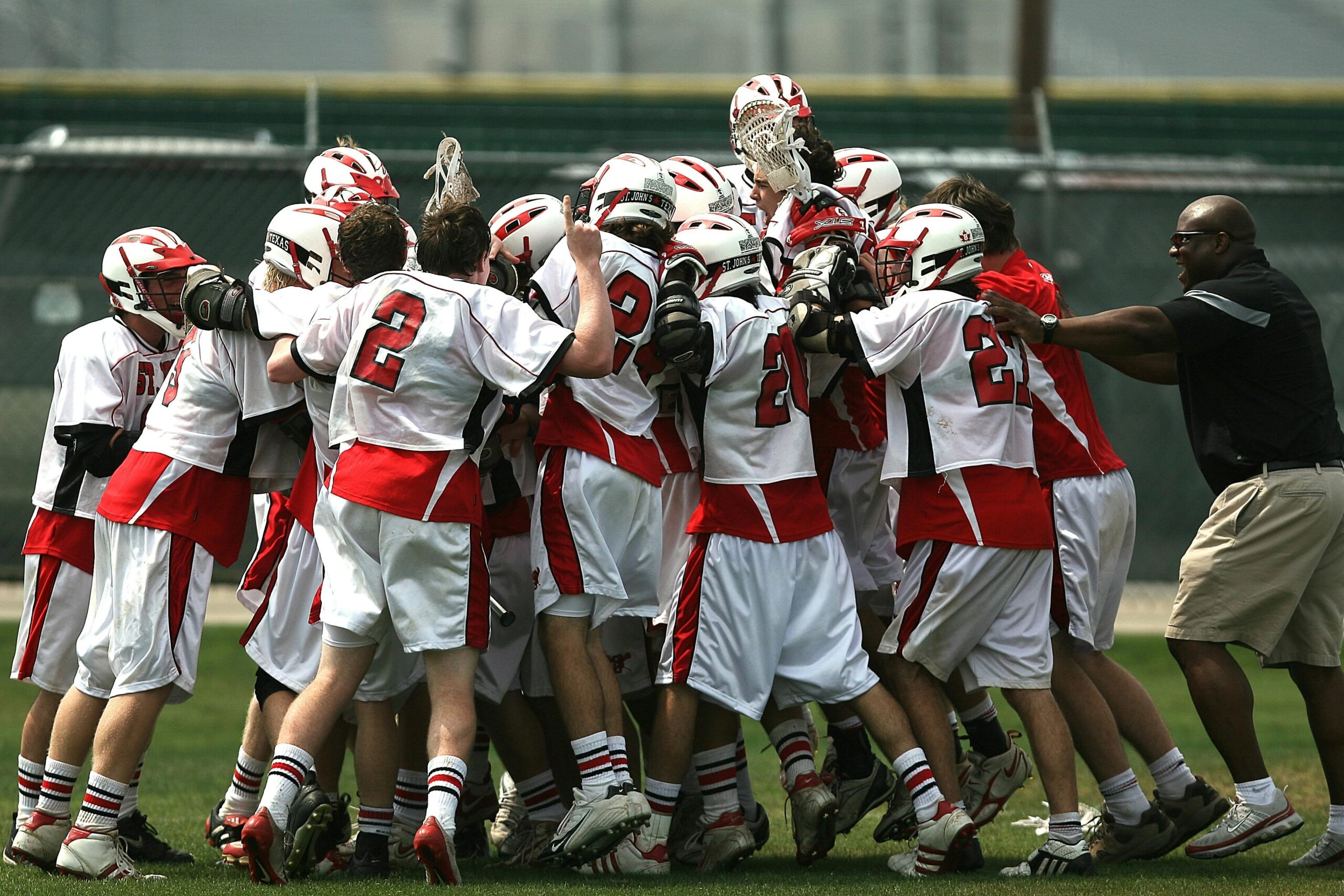
Teamwork goes far beyond "getting along"
Sport psychology for teams is about more than tactics or a team building event - it's about how athletes think, feel, and work together under pressure. Even the most skilled squads can struggle if trust breaks down, communication falters, or pressure gets in the way of playing as one. Whether you're aiming to strengthen team cohesion, sharpen focus in high-stakes moments, or create a culture where players support and cheer each other on, sessions with a sport psychologist can make all the difference. Through group trainings, training and game observations, and/or individual coachings, we'll explore how to unlock the full potential of your group, so you don't just perform as individuals, but succeed together.
In Gruppenworkshops, Trainings- und Spielbeobachtungen sowie Einzelcoachings erforschen wir, wie wir das volle Potenzial der Gruppe ausschöpfen können, damit nicht nur Einzelleistungen sondern Gemeinsamkeit den Erfolg anstrebt.
Team psychology
Main topics
Different teams have different needs, however there are most common topics teams profit from working on:
Team confidence
Every team faces phases that test its belief in itself - at the start of their path, after setbacks, or when expectations are high. Building and maintaining trust - both in each individual and in the team as a whole - enables the group to remain resilient, trust one another, and perform freely under pressure.
Collective goals & vision
When a team is committed to shared goals and a shared vision, each person knows why they are doing what they do. This provides direction and boosts motivation, even when challenges arise.
Roles & expectations
Roles within a team function like pieces of a puzzle - the leader helps put them together, but every piece is essential. Only when each part is understood does the full picture of the team’s performance come to life.
Performance under pressure
Pressure can either motivate teams or shake their confidence and cause them to lose focus. This is exactly where a clear strategy for high-pressure situations becomes crucial - so the team can stay calm and focus on the next point.
Team culture & dynamics
A strong, positive team culture creates an environment in which trust, a sense of responsibility, and shared values drive both performance and enjoyment of the game.
Cohesion & trust
Sometimes teams have individuals who feel they have to carry the entire workload on their own. When the team builds cohesion and trust, everyone feels able to rely on one another. This foundation strengthens communication, cohesion, and collective self-confidence.
Conflict management
Conflict management helps teams turn disagreements into opportunities for growth, rather than allowing them to become sources of division. By addressing problems openly and constructively, team members can focus on their shared vision.
Adjusting to changes
Every team goes through changes - new members join, others leave, or the team switches leagues. By embracing these transitions together, the group can adapt quickly while maintaining its focus and performance.
Communication
It's not easy to communicate under pressure, but sharing information is crucial for a team to work efficiently. That's why it's worthwhile for teams to work on their communication on the field, on fostering a culture of honest and productive feedback, and on improving their listening skills.
Reach out for an intro call
Reach out for an intro call
In a first, free and unbinding intro call we can get to know each other and take a closer look at if and how we could work together to solve your or your team’s topics - in (online) individual coachings or group trainings.