- Home
- For performers
Performance psychology for performers
Any performer - be it musician, surgeon, actor or stand-up comedian - can benefit from the insights from performance & sport psychology to make the moments in the spotlight feel lighter.
Approaching the stage with confidence
Approaching the stage with confidence
It’s not just about staying calm - it’s about clearing your mind so you have the confidence to showcase your abilities. Whether on stage, in the operating room, or in front of the camera, your mental state can either propel you forward or hold you back. Maybe you’re struggling with stage fright, dealing with perfectionism, or trying to regain your self-confidence after a mistake - all things I experienced myself in my youth as an aspiring professional pianist. All of this is completely normal - and this is exactly where psychological coaching can help.
I believe that mental flexibility, like any other skill, grows through practice, reflection, and support. Together, we’ll figure out what helps you get into the flow, what throws you off track, and what you need to feel focused and present - every time you’re in the spotlight.
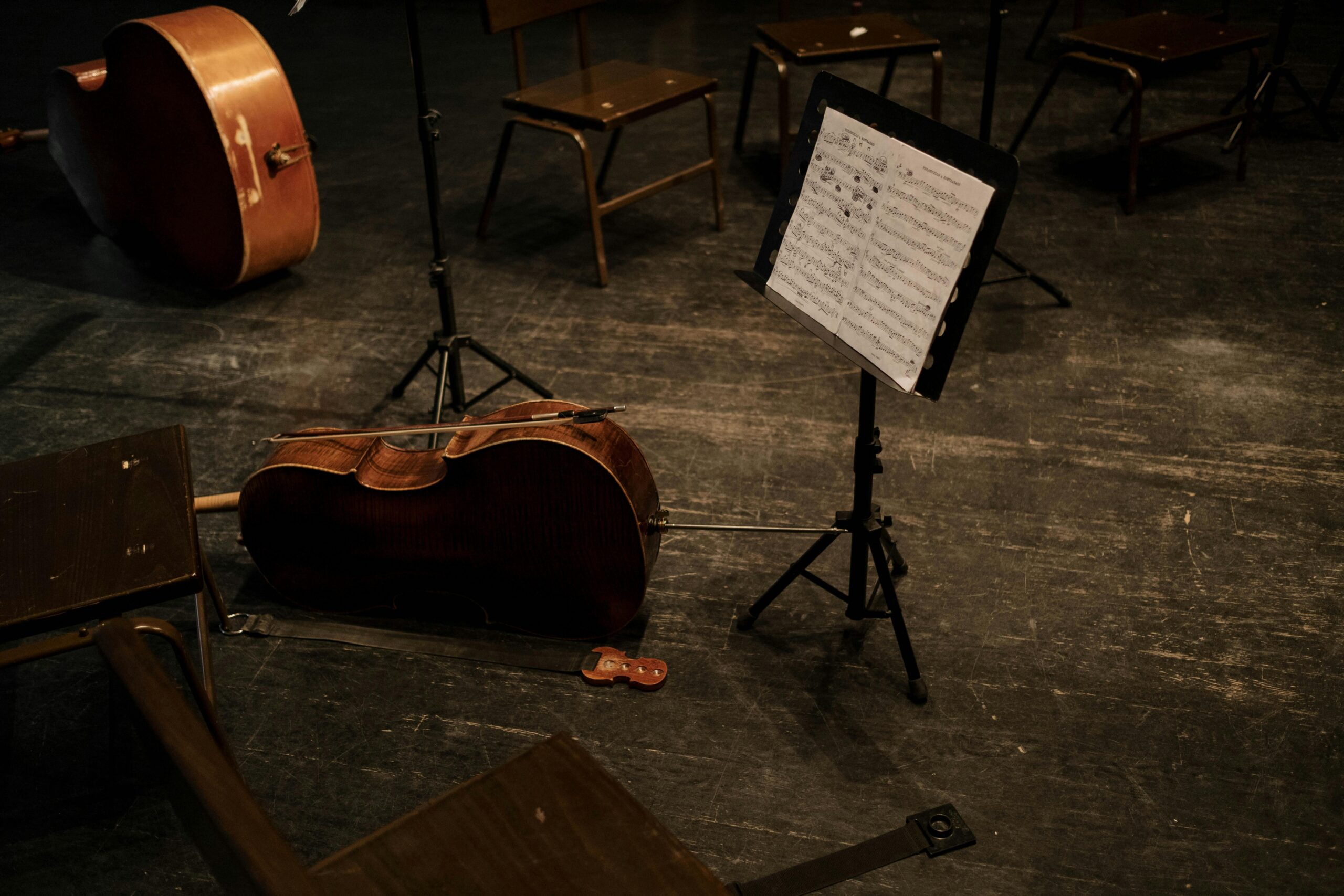
Performance psychology for performers
Performance psychology for performers
Main topics
Main topics
The topics performers usually benefit from working on overlap with those of athletes:
Visualization
When you vividly imagine a movement or a performance, your brain activates similar neural pathways as when you physically do it. That means you’re strengthening the mind-body connection – without moving a muscle.
Goals & vision
Goal setting is about creating a clear roadmap that turns your ambition into action. Working with process goals instead of only outcome goals can make all the difference in your performance.
Self-talk
Learning to notice and shape your self-talk is one of the most powerful mental skills you can build. The words you tell yourself matter: they influence your confidence, your emotions, and even how your body responds under pressure.
Motivation
Motivation can change – and that’s normal. Sometimes you’re fired up, sometimes you’re tired and doubting yourself. The key is to connect to why you do what you do and to build habits and goals that keep you moving even when the spark fades for a while.
Activation routines
When pressure is high, your brain can easily get distracted, overwhelmed, or freeze. An activation routine gives you something familiar to focus on and helps you enter your ideal state to perform.
Overcoming failures
No one performs perfectly all the time. But how you respond to failure often matters more than the failure itself. It’s good to train ways to bounce back instead of staying stuck in frustration.
Team work
Teamwork goes far beyond simply “getting along well.” Rather, it’s about developing clear lines of communication, mutual trust, and a shared vision - so that the team can work together to overcome pressure, conflicts, and setbacks.
Self-confidence
Self-confidence is a skill, not just a feeling. You develop it by setting good goals, reflecting on your progress, and learning from setbacks instead of dwelling on them.
Concentration
Improving concentration means learning how to direct your attention, block out the noise, and stay locked in on the task, using the right tools and techniques.
Stress management
Too much stress can trigger anxiety, self-doubt, and mistakes. That’s why managing stress is a skill every athlete can build – so you stay steady and clear-headed when it matters most.
Coach-the-leaders
Coach-the-Leader sessions focus on optimizing leaders’ psychological skills - such as emotional intelligence, resilience, and leadership qualities - so they can better guide their teams through challenges.
Returning after injury
Coming back from an injury is as much a mental challenge as a physical one. Techniques like visualization and realistic, process-oriented goals can help find your way back to doing what you love.
Reach out for an intro call
Reach out for an intro call
In a first, free and unbinding intro call we can get to know each other and take a closer look at if and how we could work together to solve your topics - in (online) individual coachings or group trainings.